Increases to the Minimum Wage Ireland Rate 2024
Increases to the Minimum Wage Ireland Rate 2024
With effect from on 1 January 2024, the national minimum hourly rate will become €12.70.
The full rate applies to any employee who is at least 20 years of age except as detailed below;
EMPLOYEE MINIMUM HOURLY RATE
Aged 20 or more - €12.70 (100%)
Aged 19 - €11.43 (90%)
Aged 18 - €10.16 (80%)
Aged under 18 - €8.89 (70%)
Who does it not apply to?
The National Minimum Wage rate does not apply to the remuneration of a person who is;
- The spouse, father, mother, grandfather, step-father, step-mother, son, daughter, step-son, step-daughter, grandson, grand-daughter, brother, sister, half-brother or half-sister of an employer, where the employer is a Sole Trader, or
- A craft apprentice within the meaning of or under the Industrial Training Act, 1967, or the Labour Services Act, 1987.
Alternative minimum rates may be set down under Sectoral Employment Agreements (SEAs) or created by Employment Collective Agreements.
Working Hours
Full time, part time, temporary, casual or seasonable employees are all entitled to the National Minimum Wage for hours worked.
Calculation of Hourly Pay (Reckonable Pay)
Reckonable pay means payments that are allowable in calculating an average hourly rate of pay under the National Minimum Wage Act. The following payments may be taken into account when determining average hourly rate of pay.
- Basic Pay
- Shift Premium
- Piece/Incentive Rate.
- Commission
- Any payments under section 18 of the Organisation of Working Time Act, 1997 (zero-hour protection)
- Productivity-related bonuses
- Service charge paid through payroll
- Board of Lodgings- If you receive board or lodgings, that is food or accommodation from your employer, the maximum amounts that can be included from 1 January 2024 are for: -
- board only €1.14 per hour worked
- accommodation only €30.00 per week or €4.28 per day
Non- Reckonable Pay
The following payments cannot be included to make up the national minimum wage rate:
Overtime, call-out premiums, service pay, weekend and public holiday premiums, expenses incurred by the employee in carrying out their employment, unsociable hours premiums, tips or gratuities paid through the payroll, and allowances for special or additional duties may not be included, benefit in kind payments, any sum payable to an employee in lieu of notice of termination of employment.
Pay Reference Period
The period over which you may calculate the average earnings (Pay Reference Period) may be a week, or a fortnight but must not be longer than one month.
Employers are obliged to advise employees of the pay reference period they are selecting for calculations of minimum pay. Employees must be notified in writing as part of their Terms and Conditions of Employment.
An employee may request from his or her employer a written statement of the employee's average hourly rate of pay for any pay reference period (other than the employee's current pay reference period) falling within the 12-month period immediately preceding the request.
Employee Complaints
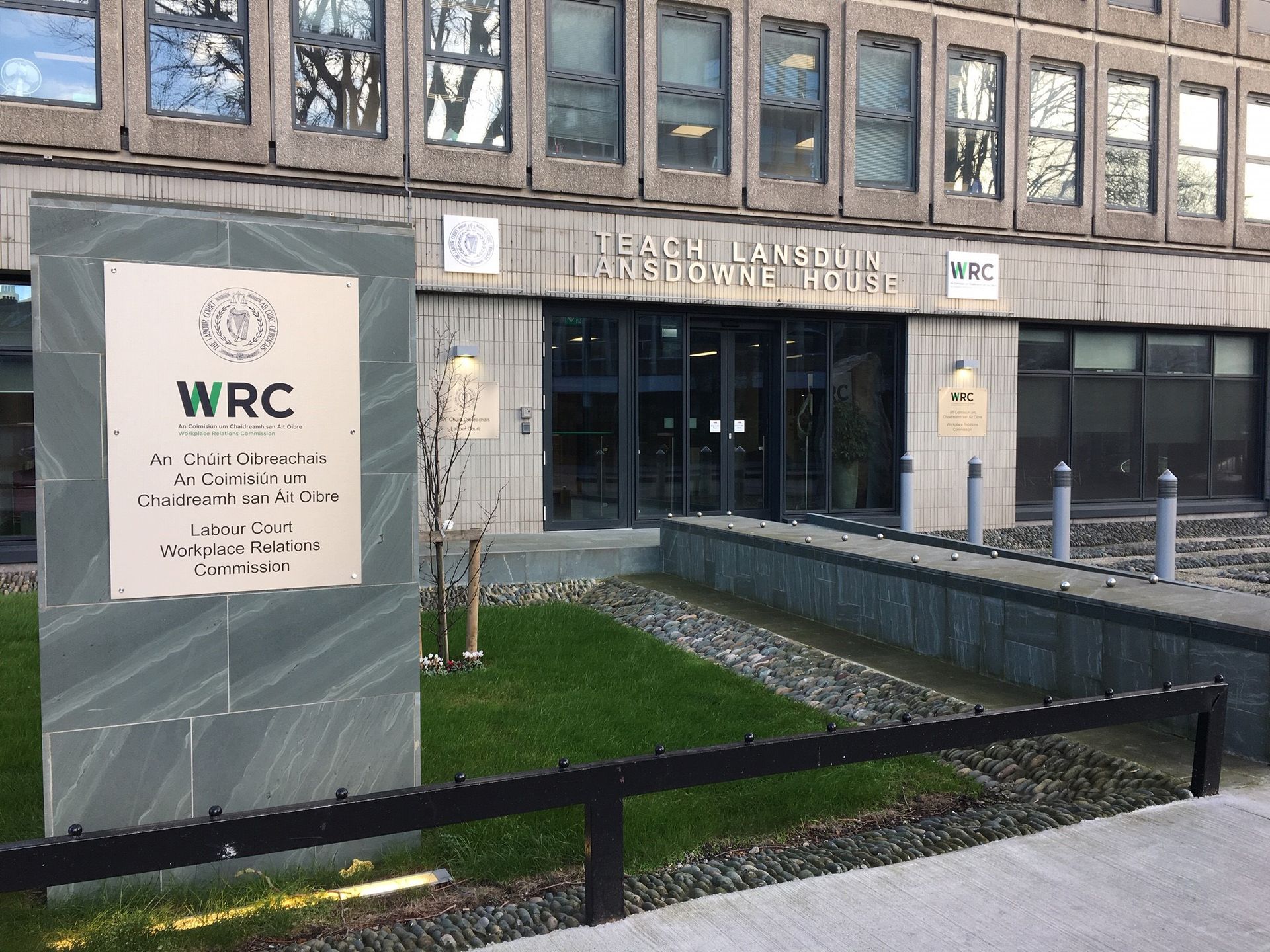
An employee may make a complaint to the Workplace Relations Commission to investigate allegations of failure by the employer to pay the National Minimum wage or victimisation of an Employee.
Such a referral must be within 6 months from the date of receipt of a written statement or from the latest date the employer should have given a written statement.
Employees may not refer a complaint before requesting a written statement from their employer.
Steps for Employers
Employers should now implement the required changes to the rate of pay for those who are currently earning less than the new National Minimum Wage. There is no automatic right of an increase to those who are already earning in excess of the minimum wage, however, it is likely that some employers may face requests for the same.
Whilst ordinarily there is no need for an Employer to notify an Employee that the National Minimum has been increased, some employers choose to issue a letter confirming their new rate of pay and the date on which it will be reflected in their pay. A template for this letter can be found on our HR Hub.
Minimum Wage in Review
With this most recent increase in the National Minimum Wage, an employee on minimum wage who works a full 39-hour week will now receive an additional €54.60 per week, or an extra €2,832.20 gross per year. It remains to be seen how employers will cope with these increases.
Furthermore, since 4 March 2019 trainee rates have been abolished and in more recent times, lower minimum youth rates in Ireland have received criticism by policymakers for being too low to ensure a decent standard of living for young people. As such, there have been political debates this year to abolish or reform the lower minimum wage for young people, however, we will have to wait and see if the government will implement any changes in this regard.