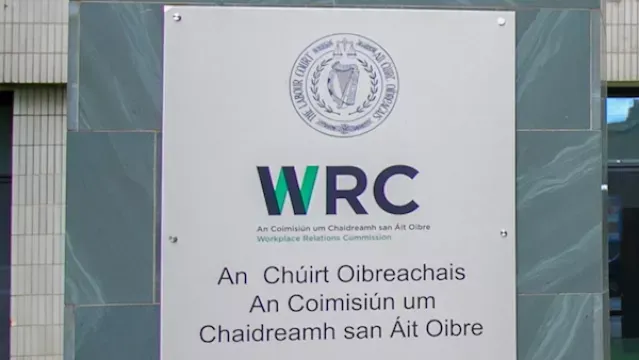
WRC Rejects Whistleblowing Penalisation Claim
What happened
In a decision reported in February 2026, the WRC rejected a claim brought under the Protected Disclosures legislation by an employee who alleged that he had been penalised after raising workplace concerns.
The employee, who worked in a regulated services environment, made complaints internally regarding governance and operational practices. He subsequently alleged that he was subjected to adverse treatment, including changes to duties and strained managerial relations.
The employer denied that any penalisation had occurred and maintained that all management actions were unrelated to the disclosure. It asserted that performance concerns predated the complaint and were supported by documentation.
The WRC was required to assess whether the employee had made a protected disclosure and, if so, whether there was a causal connection between that disclosure and the alleged detriment.
What the WRC focused on
The Adjudication Officer examined:
- Whether the communication met the statutory definition of a protected disclosure
- Whether the information disclosed tended to show relevant wrongdoing
- The timing between the disclosure and the alleged penalisation
- Whether there was evidence of retaliatory motive
- Whether the employer could demonstrate objective, non retaliatory grounds for its actions
The WRC accepted that a disclosure had been made. However, that alone was not sufficient to succeed.
The employee was required to establish a causal link between the disclosure and the alleged penalisation. The adjudicator found that the evidence did not support that connection.
The employer had documentation demonstrating that performance management concerns had arisen before the disclosure was made.
Why the claim failed
Under the Protected Disclosures framework, once an employee establishes that a protected disclosure was made and penalisation occurred, the burden shifts to the employer to prove that the act complained of was based on duly justified grounds.
In this case, the employer was able to demonstrate:
- Documented performance concerns predating the disclosure
- A structured and ongoing management process
- No deviation from standard procedure following the disclosure
The adjudicator was satisfied that the employer’s actions were grounded in legitimate operational concerns rather than retaliation.
The complaint was therefore rejected.
Key lessons for employers
- Maintain clear documentation of performance concerns.
- Separate disclosure handling from performance management where possible.
- Ensure consistency of process before and after any disclosure.
- Train managers on the evidential burden in penalisation claims.
- Causation is central in whistleblowing cases.
Protected disclosure legislation imposes a significant evidential burden on employers. However, well documented and consistent management processes remain a strong defence.
If your organisation receives a protected disclosure or is managing performance issues alongside a complaint, we can support you in ensuring the process is legally robust and carefully structured.
Contact MSS The HR People at info@mssthehrpeople.ie, Ph 018870690 or visit our website for further guidance.