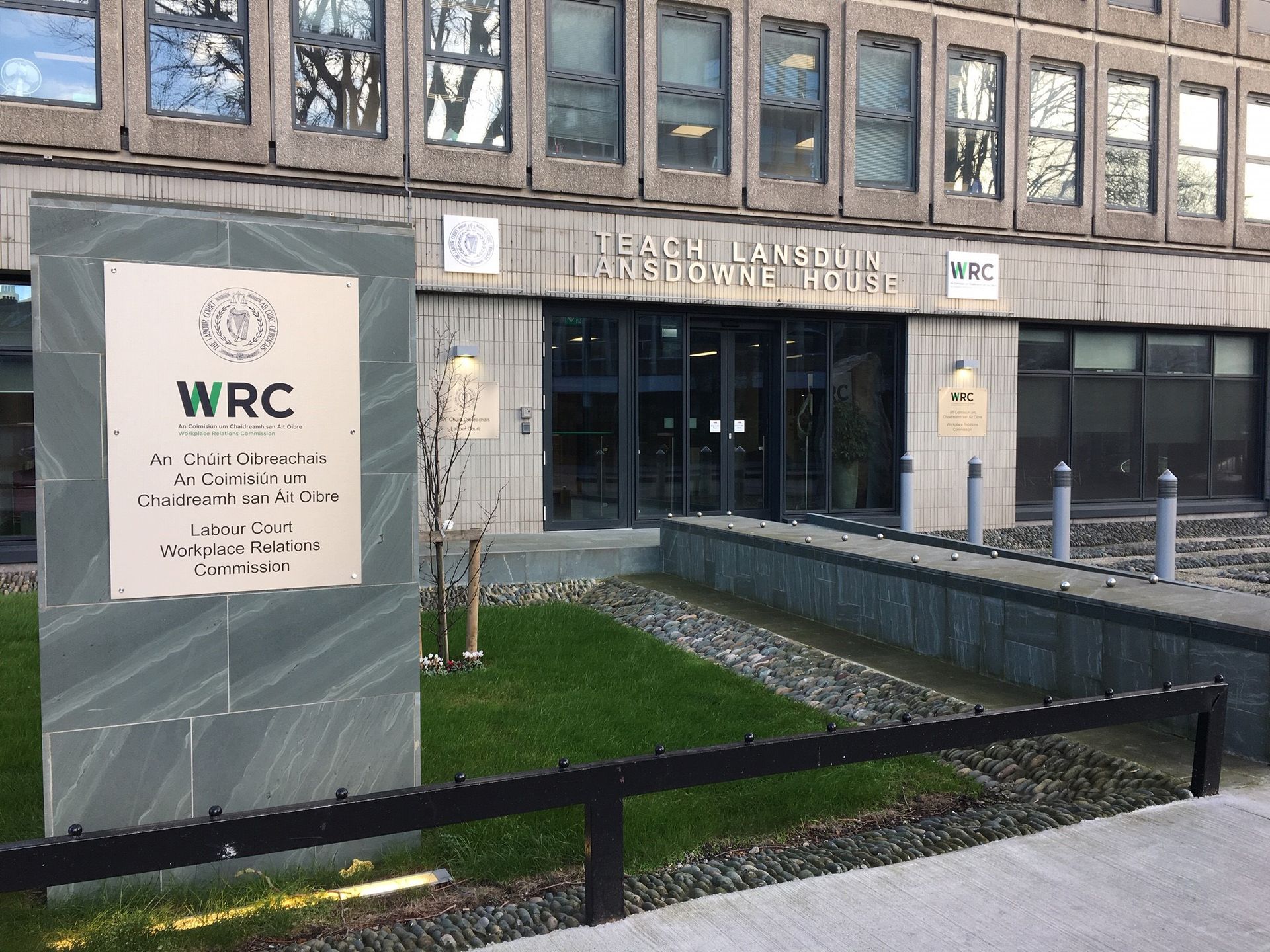
WRC Finds No Family Status Discrimination in Roster Change Request
A recent WRC decision highlights the importance of understanding the scope of family status protections and engaging meaningfully with employee requests for changes to working arrangements.
A Security Officer has had his claim of discrimination on the family status ground rejected by the Workplace Relations Commission after his employer refused his request to change his weekend working arrangements.
The employee, who worked as a Security Officer with Bidvest Noonan (ROI) Limited, requested a change to his roster so that he could have greater availability at weekends to care for his husband.
The employee argued that the refusal to change his roster amounted to discrimination on the family status ground. The employer denied that discrimination had occurred.
Background to the case
The employee had worked primarily weekend shifts, together with a Monday night shift, since joining the company in August 2022.
Following a period where he had resigned and subsequently returned to the company, he resumed the same working pattern.
In June 2025, he requested a change to his roster due to his caring responsibilities for his husband.
The employer considered the request and explored alternative arrangements, including potential transfers to other locations which would have reduced his regular weekend working.
However, the employee declined the alternatives as he wanted to remain working at his existing location and did not wish to work in a retail environment.
The employer also explained that the existing location operated with a small security team and that the specific roster change requested was not operationally possible.
WRC decision
The WRC found that the employee had not established that he was treated less favourably because of his family status.
The Adjudication Officer was satisfied that the employer had engaged with the employee's request and had made genuine efforts to identify alternative arrangements.
Importantly, the WRC also considered the scope of family status under the Employment Equality Acts.
The employer had not been informed that the employee's request was being made on the basis that he was acting as a resident primary carer for a person with a disability. The employee's husband's diagnosis only became known to the employer during the WRC hearing.
The Adjudication Officer accepted that the legislation does not create a general obligation on an employer to provide reasonable accommodation where an employee has caring responsibilities for a person with a disability.
The discrimination complaint was therefore unsuccessful.
The importance of meaningful engagement
One of the key points for employers from this decision is the importance of properly considering requests for changes to working arrangements.
While an employer may not always be in a position to agree to an employee's preferred working pattern, it is important that requests are considered fairly and that reasonable alternatives are explored where possible.
In this case, the WRC was satisfied that the employer had engaged meaningfully with the employee, considered his request and explored alternative working arrangements.
The fact that the alternatives were ultimately not suitable for the employee did not, in itself, mean that the employer had discriminated against him.
What does this mean for employers?
Employers will inevitably receive requests from employees seeking changes to their working arrangements for personal or family reasons.
Employers should consider each request on its individual circumstances and be clear on whether the employee is seeking an entitlement under employment legislation or simply requesting a change to their existing working arrangements.
Where a request cannot be accommodated, employers should be able to demonstrate that the request was properly considered and that the decision was based on legitimate and objective reasons, such as operational requirements.
This case also highlights the importance of ensuring that employers understand the specific protections provided under the Employment Equality Acts and do not assume that every caring responsibility automatically falls within the statutory definition of family status.
Key takeaway for employers
It’s clear from this case, employers do not have to agree to every request for a change to working arrangements.
However, taking the time to seek advice and to properly understand the request, engage with the employee and consider workable alternatives can be important in demonstrating that a decision was made fairly and for legitimate operational reasons.
For support on managing such requests please don’t hesitate to contact MSS The HR People at info@mssthehrpeople.ie or call +353 (0)1 887 0690.