Labour Court Issues First Decision on Right to Request Remote Working
The Labour Court has issued its first determination concerning an employee's right to request remote working under the Work Life Balance and Miscellaneous Provisions Act 2023.
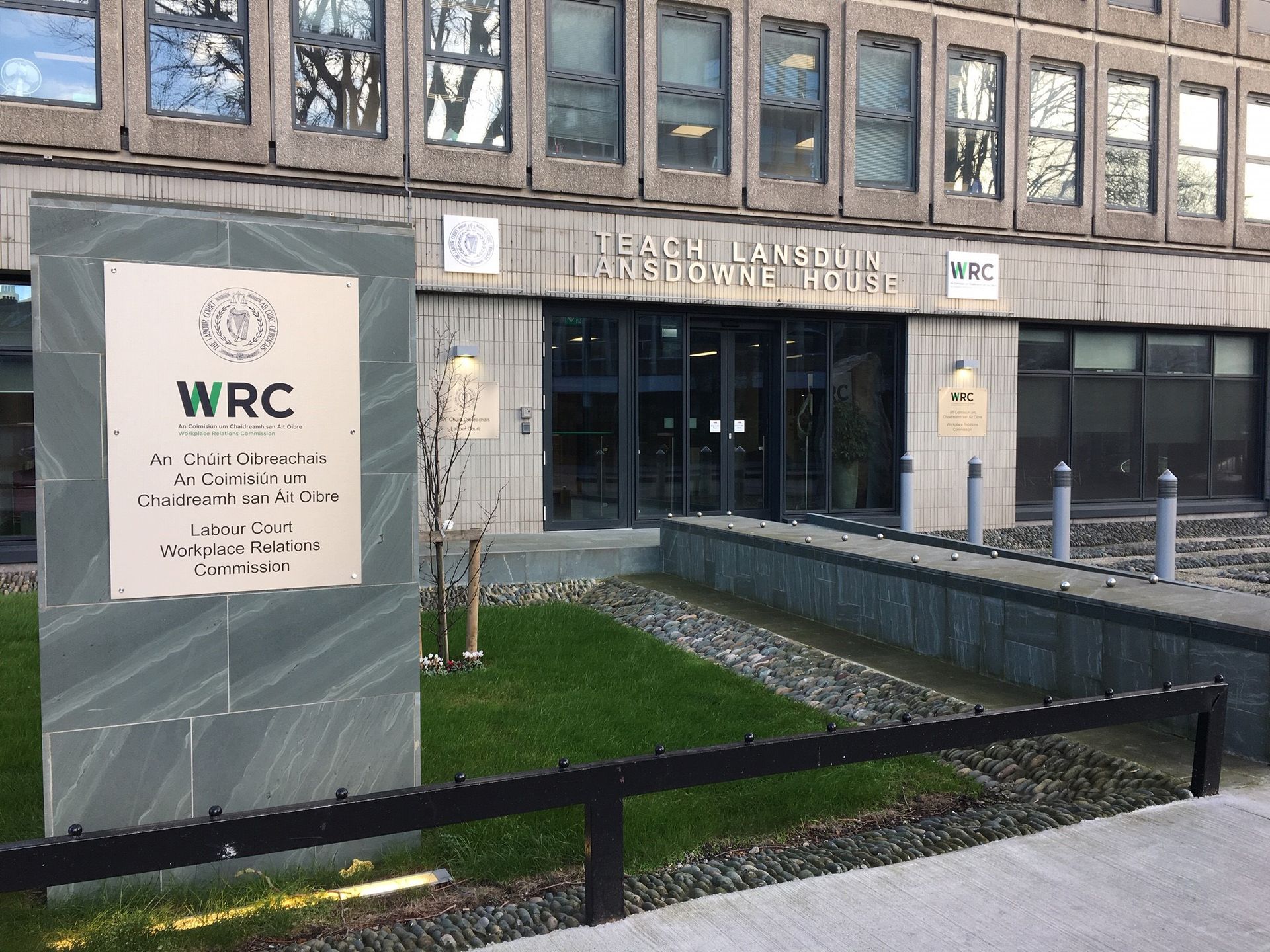
In the case of TikTok Technology Ltd v Musaev, the Labour Court upheld the employer's decision to refuse an employee's request to work remotely and provided important clarification on how disputes relating to remote working requests will be assessed by the Workplace Relations Commission (WRC) and Labour Court.
What Does the Right to Request Remote Working Mean?
Since March 2024, employees have had a statutory right to request a remote working arrangement.
It is important to note that the legislation does not create an automatic entitlement to work remotely. Instead, it provides employees with the right to make a formal request and places obligations on employers to properly consider that request.
When a request is submitted, employers must consider both the employee's circumstances and the operational needs of the business before making a decision. Where a request is refused, the employer must communicate the decision and the reasons for the refusal in writing.
The Labour Court's Decision
In this case, the employee challenged the employer's decision to refuse a remote working request and sought to have the Labour Court examine whether the reasons for the refusal were justified.
However, the Labour Court confirmed that its role is not to determine whether an employer made the "right" decision.
Instead, its role is limited to assessing whether the employer complied with the statutory process set out in the legislation.
The Court stated that it was not its role to assess the merits of the employer's reasons for refusing the request. Rather, it considered whether the employer had followed the required procedure, including reviewing the request and providing a written response.
Having examined the evidence, the Court found that the employer had complied with its obligations and therefore upheld the decision to refuse the request.
What Does This Mean for Employers?
This determination provides welcome clarity for employers managing remote working requests.
One of the key concerns for employers since the introduction of the legislation was whether external bodies such as the WRC or Labour Court would effectively "second guess" business decisions relating to remote working arrangements.
This decision confirms that this is not the case.
The focus of any challenge will be on whether the employer followed the correct process rather than whether the WRC or Labour Court agrees with the outcome reached.
In practice, this means employers retain discretion when deciding whether a role is suitable for remote working, provided requests are considered fairly and in accordance with the legislative requirements.
The Importance of Process
While the decision reinforces employers' ability to make business decisions regarding remote working, it also highlights the importance of following a robust process.
Employers should ensure that:
- Requests are acknowledged and considered within the required timeframe.
- The employee's circumstances are genuinely considered.
- Operational and business requirements are evaluated.
- Decisions are documented.
- Reasons for any refusal are communicated clearly in writing.
- Records are retained demonstrating how the request was assessed.
Where employers can demonstrate compliance with the statutory framework, they are likely to be in a strong position should a complaint arise.
Key Takeaway
The first Labour Court decision on the right to request remote working confirms an important principle for employers: the legislation creates a right to request remote working, not a right to obtain it.
The WRC and Labour Court are not tasked with deciding whether an employer's refusal was reasonable from a business perspective. Their role is to determine whether the employer complied with the statutory process when considering the request.
For employers, the message is clear: process matters. By following the correct procedure, documenting decision making, and communicating outcomes appropriately, companies can significantly reduce the risk of successful challenges relating to remote working requests.
If you would like assistance reviewing your Remote Working Policy, Flexible Working Policy, or managing a remote working request, contact MSS The HR People for expert HR and Employment Law support via email on info@mssthehrpeople.ie or by phone on 01 8870 690.