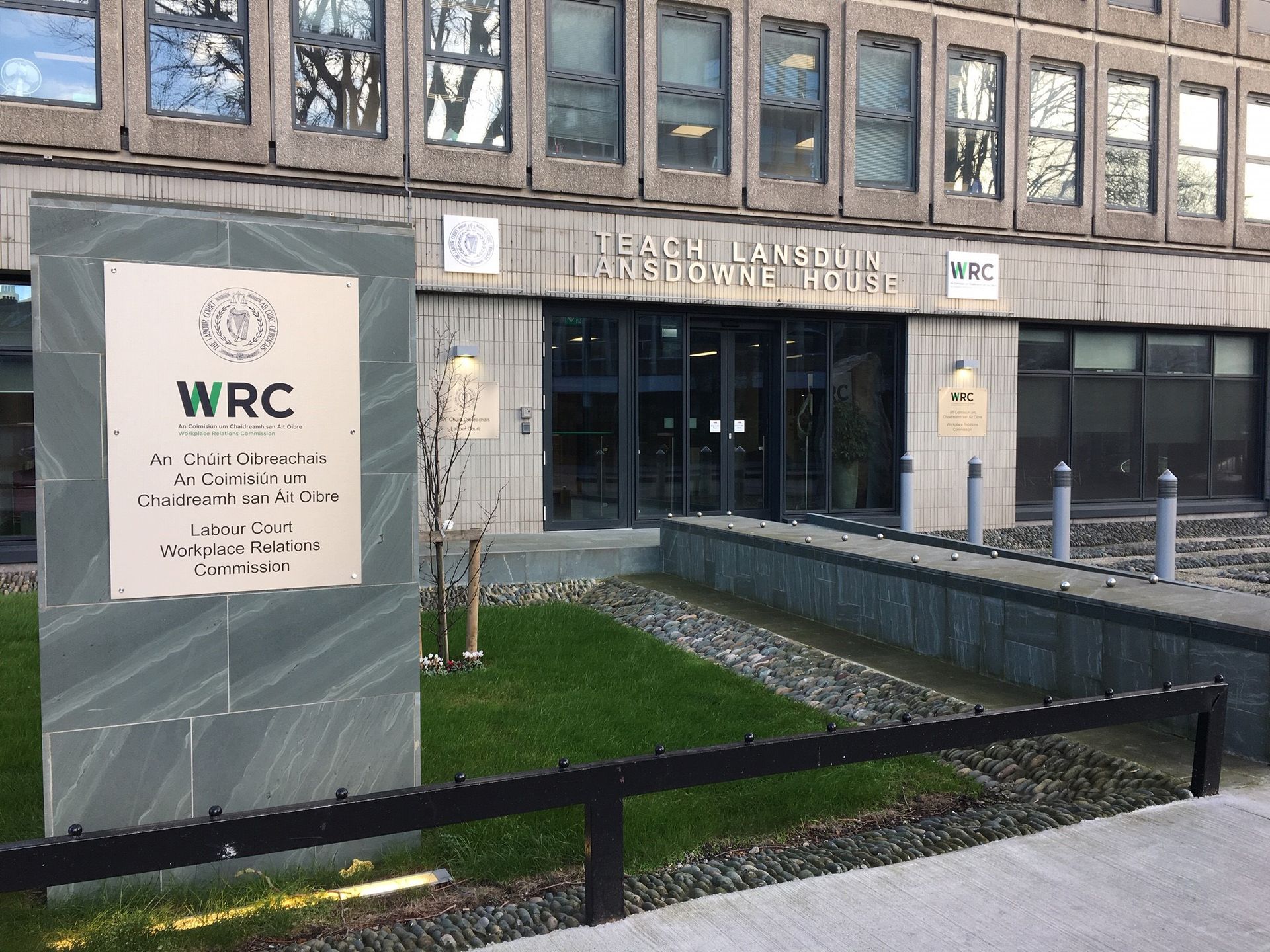
WRC awards €15,000 after employee kept on “specific purpose” contract for 10 years
A recent WRC decision is a very important reminder to employers that long running “specific purpose” and fixed term arrangements can create significant risk if they are not actively reviewed over time.
In ADJ-00059962, the Workplace Relations Commission found that Teagasc breached the Protection of Employees (Fixed-Term Work) Act 2003 after an employee remained employed under what was described as a “specific purpose” contract for almost ten years.
The WRC awarded the employee €15,000 compensation and directed that she be provided with a Contract of Indefinite Duration (CID).
The Background
The employee commenced employment with Teagasc in 2016 under a “specific purpose” contract linked to a project. The original arrangement was intended to last approximately 40 months.
However, by 2026, she was still employed under that arrangement.
Teagasc argued that the entitlement to a CID under the Protection of Employees (Fixed-Term Work) Act 2003 only arises where there has been a formal renewal of a fixed term contract within the relevant four year period.
Importantly, Teagasc argued that no new contract had ever formally issued to the employee after 2016 and therefore, in their view, the CID provisions had never been triggered.
This is where the case becomes particularly interesting from a HR and legal perspective.
The important legal nuance in this case:
Many employers assume that the Fixed-Term Worker legislation only becomes relevant where:
- a fixed term contract expires
- a new fixed term contract is issued
- or a formal written renewal takes place
In simple terms, many employers think: No new contract means no renewal risk.
However, the WRC, as they often do, looked beyond the paperwork and examined the reality of the employment relationship.
In 2023, the employee successfully applied through a competitive internal process for a higher graded role as Technologist Grade 2.
The new role involved higher level duties and responsibilities, placed her on a higher incremental salary scale, significantly changed her contractual relationship and contained no reference to a “specific purpose” contract.
The WRC Adjudication Officer described this promotion as “a decisive moment”.
The WRC found that the promotion and material change in role effectively amounted to an extension or renewal of the employment relationship for the purposes of the legislation, even though no formal new fixed term contract had issued.
The Adjudication Officer stated it was “impossible to see” the 2023 appointment as anything other than a new contractual arrangement and described the argument that it was merely a continuation of the earlier contract as “ludicrous” and “not sustainable”.
Why this matters for employers
This is the key takeaway from the decision.
The WRC was prepared to look at:
- substance over form
- the reality of the employment relationship
- material contractual changes rather than simply whether HR had issued a fresh contract document.
That creates potential exposure for employers where employees:
- receive promotions
- move to different grades
- take on substantially different duties
- move onto new pay structures
- remain employed long after the original anticipated project duration
Even without a formal re-issued contract, those developments may potentially be viewed as creating a new contractual arrangement or renewal for the purposes of the Act.
The warning regarding “specific purpose” contracts
The case is also a strong warning regarding the use of “specific purpose” contracts for projects with no realistic or identifiable end date.
The WRC accepted that some uncertainty can exist around project duration. However, it found that allowing an employee remain on a “specific purpose” arrangement for ten years fundamentally undermined the protections intended under the legislation.
In this case, the project itself had already been running for 18 years, with targets extending to 2030. The Adjudication Officer noted that by then the project would have existed for approximately 22 years, describing this as close to “half the normal span of a working life”.
The WRC concluded that the use of the “specific purpose” wording in this case was effectively “a contrivance” designed to avoid obligations under the legislation.
Key takeaway for employers
Employers should not assume that labelling a contract as; “specific purpose”, “temporary” or “project based”, or avoiding formal contract renewals. will automatically protect against CID exposure.
If an employee remains in employment for a prolonged period, particularly where the project continues indefinitely, the employee’s role evolves, promotions occur, duties materially change, salary structures change, then the arrangement should be reviewed carefully.
This decision demonstrates that the WRC will examine the practical reality of the relationship and not simply rely on the wording of the original contract.
At MSS The HR People, we regularly support employers with:
- Fixed term contract reviews
- Contract of Indefinite Duration risk assessments
- Temporary and project-based employment arrangements
- Contract audits
- Employment law compliance reviews
If your company would like support reviewing fixed term arrangements or assessing potential CID exposure, contact MSS The HR People by phone on 01 8870 690 or email, or visit www.mssthehrpeople.ie.