Plasterer Wins €16,940 at WRC After Underpayment

December 11, 2025

A Warning for Employers and the Importance of Compliance

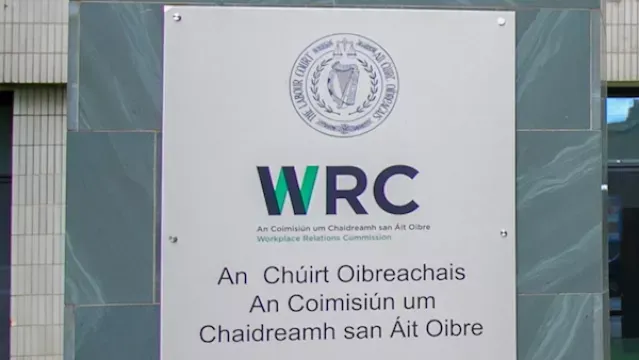
A recent Workplace Relations Commission decision has highlighted the significant risks employers face when pay, records and statutory entitlements are not fully compliant. In this case, a plasterer was awarded €16,940 in compensation after it was found that he had been underpaid and denied employment entitlements required under the construction sector rules.


The case began when the employee noticed a discrepancy between what he was being paid and what was recorded on his Revenue account. He engaged an accountant who identified that his hourly rate was below the minimum craft rate required under the Sectoral Employment Order for the construction industry. Evidence presented showed that he had been paid approximately €19.85 per hour when the minimum rate for the period should have been €22.24. The underpayment covered several months of employment.


The WRC also found that the employer failed to provide mandatory benefits including a pension scheme, sick pay and death in service benefits, all of which are compulsory under the construction Sectoral Employment Order. In addition, the company did not provide a complete written statement of terms of employment, which is a legal requirement under the Terms of Employment Information Acts.


Taking all of these breaches into account, the WRC ordered the employer to pay the worker €16,940 in compensation. This included both the shortfall in wages and compensation for the failure to provide the various statutory entitlements and employment documentation.


This case carries an important message. The construction sector is heavily regulated, but similar risks apply across all industries. Employees are more aware of their rights, and discrepancies are easier than ever to spot through payroll records, Revenue accounts and online systems. Once a concern is raised, it can very quickly escalate into a formal complaint, inspection or investigation.


For employers, and especially for small and medium sized enterprises, the consequences of getting pay or documentation wrong can be serious. Underpayments are costly to rectify. Failure to provide correct documentation or statutory benefits can result in further awards. There is also the reputational risk that arises when a case becomes public.


Now is an ideal time for employers to review their practices, particularly in areas such as pay rates, payslips, working time records, sectoral employment obligations and written terms of employment. Ensuring compliance in advance is far more cost effective than responding to a complaint or WRC investigation.


The recent plasterer case is a reminder of how easily issues can escalate and how costly they can become. A proactive compliance approach protects your business, reduces financial and legal exposure and ensures that employees receive what they are legally entitled to.


If you would like support reviewing your employment practices or preparing for a potential inspection, our team is available to help. Through our WRC Inspection Preparation Audit we carry out a full review of pay, contracts, sectoral obligations and statutory documentation. We identify any gaps, support corrective action and ensure that employers are prepared should a complaint or inspection arise. This is particularly valuable for SMEs that do not have dedicated internal HR resources.


info@mssthehrpeople.ie, Ph: +353 1 887 0690,  www.mssthehrpeople.ie


By David Casey June 12, 2026
One of the biggest mistakes we see employers make is starting recruitment before defining exactly what they need.  When a vacancy arises, there is often pressure to recruit quickly. However, taking time to plan before advertising a role can significantly improve recruitment outcomes and reduce costly hiring mistakes. Before starting the recruitment process, employers should ask themselves five fundamental questions. 1. Do We Actually Need to Hire This Person? Before recruiting, consider whether a new hire is genuinely required. Is the workload permanent? Could responsibilities be redistributed? Is there another solution available? Recruitment should address a business need, not simply fill a vacant seat. 2. What Exactly Do We Need From This Person? Many employers focus on job titles rather than outcomes. Consider: • What responsibilities will they own? • What skills are essential? • What results should they achieve? A clear understanding of the role makes it easier to identify the right candidate. 3. Will This Candidate Be the Right Cultural Fit? Technical skills are important, but so is cultural fit. A candidate may have the right experience on paper, but will they align with your company values, team dynamics, and ways of working? Long-term success often depends on both capability and compatibility. 4. Are Our Expectations Realistic and Sustainable? Unrealistic expectations can make recruitment unnecessarily difficult. Employers should assess whether the salary, responsibilities, and required experience are aligned with the realities of the market. The ideal candidate rarely ticks every box. 5. Do We Have the Infrastructure to Support and Retain Them? Hiring successfully requires a meaningful investment of time. Before proceeding, evaluate whether you have the necessary time, administrative resources, and budget to effectively interview, onboard, and train a new employee. Recruitment doesn't end when the offer is accepted. Supporting and retaining talent is equally important. Key Takeaway Recruitment done right is rewarding for both employers and employees, laying the foundation for a successful and productive working relationship. However, it requires careful planning, time, and investment to achieve the best outcomes. Taking the time to answer these five questions before recruiting can help streamline your hiring process, protect your budget, and ensure you're attracting the right person for your business. If you're planning a hire and would like support with your recruitment strategy, we're happy to help. info@mssthehrpeople.ie | 01 887 0690
WRC Upholds Constructive Dismissal and Protected Disclosure Complaints
By Amy Vickers June 4, 2026
Health and safety concerns, deteriorating workplace relationships and poor record keeping create significant exposure for employers
WRC Criticises Employer Conduct, Workplace Practices and AI Generated Submission
By Amy Vickers June 4, 2026
WRC decision highlights that seemingly casual comments, compliance failures, and the careless use of AI material can all contribute to legal liability
Is workplace conflict increasing, or are employees less tolerant?
By Amy Vickers June 4, 2026
Are workplaces actually becoming more difficult or are employees simply becoming far less willing to tolerate behaviour that previous generations may have ignored
How Long Is Too Long? The Cost of Delayed Recruitment Decisions
By Amy Vickers June 4, 2026
Many employers would be surprised to learn how often good candidates are lost because a recruitment process takes too long.
By Tara Daly May 19, 2026
Irish employers are increasingly turning to international hiring as a solution to ongoing skills shortages. This trend is particularly evident in sectors where local talent is limited and demand continues to grow. Why employers are looking overseas Common drivers include: • Difficulty filling specialist roles locally • Business expansion and growth • Increased competition for talent International hiring can provide access to a wider talent pool and support long-term workforce planning. The challenge While the opportunity is clear, the employment permit process can be complex. Employers often underestimate: • The level of detail required in applications • The importance of aligning with eligibility criteria • The potential for delays or refusals Where the process is not managed properly, the impact can be significant. Roles remain open for longer, business plans are affected, and onboarding timelines move further out than expected. Getting it right A structured and informed approach is essential. This includes: • Understanding the appropriate permit type • Ensuring the role meets eligibility requirements • Preparing a clear and robust application Where employers take the time to position the role properly and support the application with strong documentation, the process is far more likely to run smoothly. Key takeaway for employers International hiring can be a highly effective solution, but only where the permit process is managed correctly. Approached properly, it enables businesses to secure the talent they need to grow and succeed with greater certainty and less disruption. If you would like advice or support with the employment permit process, our team would be happy to assist. info@mssthehrpeople.ie | 01 887 0690
By Tara Daly May 13, 2026
A common approach we encounter is employers submitting an employment permit application and waiting to see what happens. While understandable, this approach carries significant risk. Why this approach falls short Employment permit applications are not a simple box-ticking exercise. Each application is assessed based on: • Eligibility • Justification • Alignment with current criteria If any of these elements are unclear or insufficient, the application may be delayed or refused. The impact of getting it wrong Where an application is unsuccessful: • Timelines are extended • Recruitment plans are disrupted • Candidates may withdraw In a competitive hiring market, these delays can have a real impact on the business. A role can remain unfilled for longer than expected, existing teams can come under pressure, and a strong candidate may choose another opportunity. A better approach Employers should approach permit applications as a structured process, focusing on: • Clear alignment with eligibility criteria • Strong and accurate role definition • Comprehensive supporting rationale It is far more effective to identify and address risk areas before submission than to deal with the consequences of delay or refusal later. Key takeaway for employers Submitting an application without fully assessing the risks can lead to avoidable delays. A well-prepared application significantly improves the likelihood of a successful outcome and gives the employer greater confidence throughout the process. If you’re planning an overseas hire or facing delays, we’re happy to talk it through. info@mssthehrpeople.ie | 01 887 0690
WRC awards €15,000 after employee kept on “specific purpose” contract for 10 years
By Amy Vickers May 7, 2026
A recent WRC decision is a very important reminder to employers that long running “specific purpose” and fixed term arrangements can create significant risk
Workplace Bullying, Harassment and Sexual Harassment Claims Are Rising
By Amy Vickers May 7, 2026
Increase in complaints relating to bullying, harassment, and sexual harassment and the complexity and escalation of these cases.
Supporting Employees Through Pregnancy Loss
By Amy Vickers May 7, 2026
Pregnancy loss is a deeply personal experience. For employers, these situations can be equally challenging because of the uncertainty around it.