Chinese Chef Awarded €154,828 for Gross Breaches of his Employment Rights

November 13, 2025

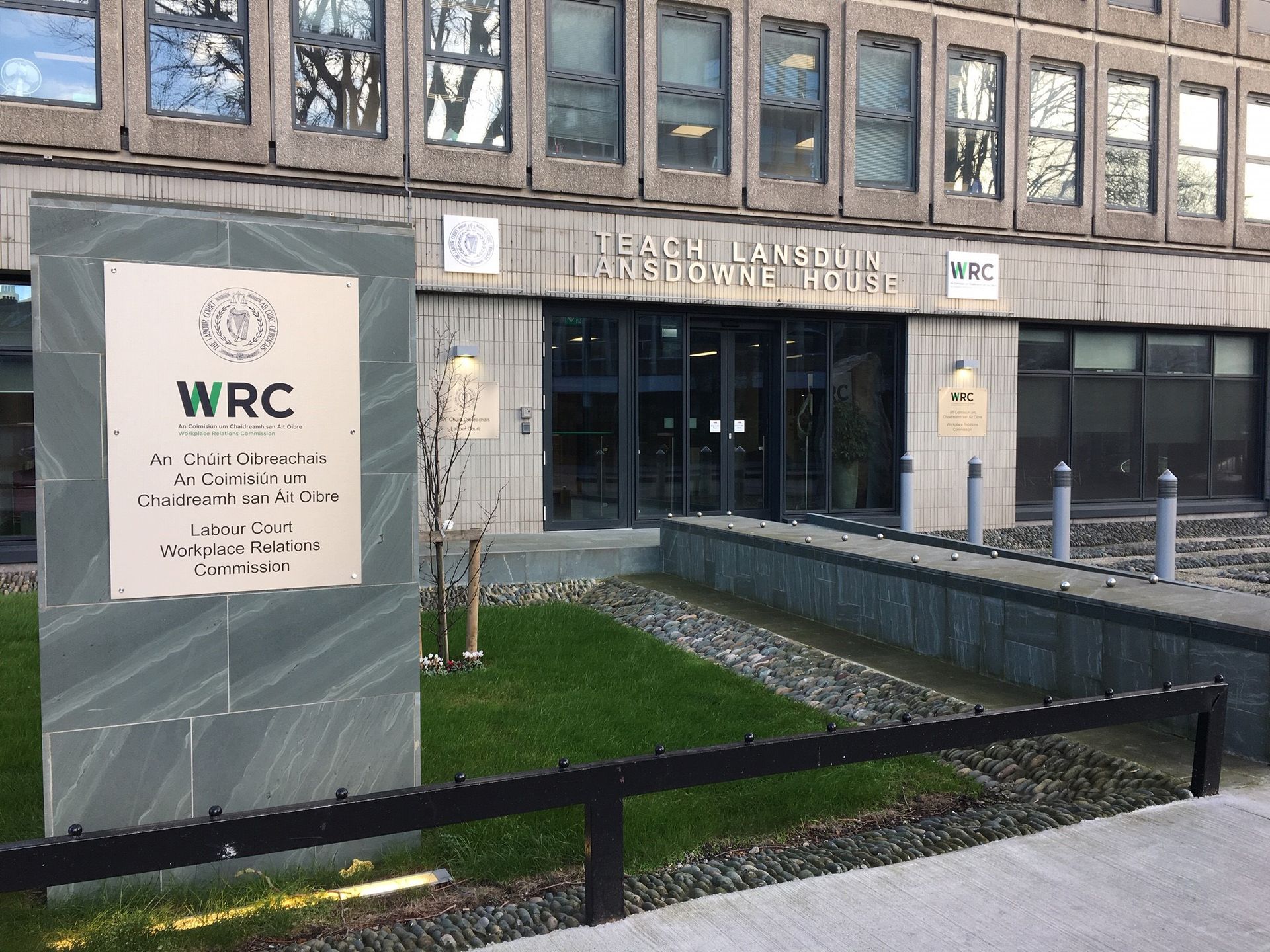
A recent Workplace Relations Commission (WRC) decision has brought into sharp focus the vulnerability of migrant workers and the serious consequences for employers who fail to comply with employment law.


The case involved a Chinese chef who came to Ireland in July 2022 under an employment permit to work in a takeaway business in Co. Cavan. He worked extraordinarily long hours, often 63 to 73 hours a week, six or seven days at a time and was paid far below his contractual rate. On top of this, he had paid a substantial recruitment fee of over €30,000 to secure his position, and his employer retained control of his passport and accommodation, leaving him dependent and vulnerable.


The WRC found multiple breaches of employment law, including underpayment, failure to provide holiday and public‑holiday pay, excessive working hours, and racial discrimination. In recognition of these gross breaches, the Claimant was awarded €154,828, covering unpaid wages, discrimination, and statutory entitlements.


This case is a stark reminder that migrant workers can be at particular risk of exploitation, especially when their immigration status ties them closely to a single employer. The Claimant’s situation highlights how factors such as language barriers, unfamiliarity with Irish employment law, and financial dependency can compound vulnerability.


For employers, this decision offers clear lessons. It is essential to ensure that workers are paid correctly, receive all statutory entitlements, and are not put in a position of dependency or exploitation. Practices such as withholding passports, requiring repayment of recruitment fees, or relying on employees’ lack of knowledge of their rights can result in serious legal and financial consequences.


From an HR perspective, this case underlines the importance of proactive compliance and careful management of migrant workers, ensuring that terms of employment are clear, transparent, and fully lawful. Beyond legal obligations, it is also a reminder of the human impact: behind every breach of employment law is a person whose rights, dignity, and wellbeing have been compromised.


At MSS The HR People, we often advise clients in sectors employing migrant labour, such as hospitality, catering and care, on how to structure fair and lawful employment practices. This case reinforces the importance of balancing compliance with compassion, protecting workers while protecting the business.


Serious breaches of employment rights carry both financial and reputational risk. Treat every employee fairly, respect statutory entitlements, and never underestimate the impact of power imbalances, particularly for vulnerable workers.


If MSS The HR People can assist you in any way please do not hesitate to get in touch.


info@mssthehrpeople.ie             Ph: 018870690 

New Retirement Age Legislation Takes Effect on 29 June 2026
By Amy Vickers July 1, 2026
The Employment (Contractual Retirement Ages) Act 2025 introduces new obligations for employers who operate a contractual retirement age below State Pension Age .
Labour Court Issues First Decision on Right to Request Remote Working
By Amanda Scully June 30, 2026
A landmark Labour Court decision reinforces that the right to request remote working, highlighting the importance of employers following the correct process.
How SMEs Can Attract Great Candidates Without Big Salaries
By Amy Vickers June 30, 2026
Recruitment is about more than pay, and SMEs can gain a competitive edge by promoting the unique benefits of working in a smaller organisation.
Hot Weather in the Workplace: Employer's Responsibilities?
June 30, 2026
As Ireland experiences warmer weather, we examine employers' responsibilities and share practical tips for creating a safe and comfortable working environment.
By David Casey June 12, 2026
One of the biggest mistakes we see employers make is starting recruitment before defining exactly what they need.  When a vacancy arises, there is often pressure to recruit quickly. However, taking time to plan before advertising a role can significantly improve recruitment outcomes and reduce costly hiring mistakes. Before starting the recruitment process, employers should ask themselves five fundamental questions. 1. Do We Actually Need to Hire This Person? Before recruiting, consider whether a new hire is genuinely required. Is the workload permanent? Could responsibilities be redistributed? Is there another solution available? Recruitment should address a business need, not simply fill a vacant seat. 2. What Exactly Do We Need From This Person? Many employers focus on job titles rather than outcomes. Consider: • What responsibilities will they own? • What skills are essential? • What results should they achieve? A clear understanding of the role makes it easier to identify the right candidate. 3. Will This Candidate Be the Right Cultural Fit? Technical skills are important, but so is cultural fit. A candidate may have the right experience on paper, but will they align with your company values, team dynamics, and ways of working? Long-term success often depends on both capability and compatibility. 4. Are Our Expectations Realistic and Sustainable? Unrealistic expectations can make recruitment unnecessarily difficult. Employers should assess whether the salary, responsibilities, and required experience are aligned with the realities of the market. The ideal candidate rarely ticks every box. 5. Do We Have the Infrastructure to Support and Retain Them? Hiring successfully requires a meaningful investment of time. Before proceeding, evaluate whether you have the necessary time, administrative resources, and budget to effectively interview, onboard, and train a new employee. Recruitment doesn't end when the offer is accepted. Supporting and retaining talent is equally important. Key Takeaway Recruitment done right is rewarding for both employers and employees, laying the foundation for a successful and productive working relationship. However, it requires careful planning, time, and investment to achieve the best outcomes. Taking the time to answer these five questions before recruiting can help streamline your hiring process, protect your budget, and ensure you're attracting the right person for your business. If you're planning a hire and would like support with your recruitment strategy, we're happy to help. info@mssthehrpeople.ie | 01 887 0690
WRC Upholds Constructive Dismissal and Protected Disclosure Complaints
By Amy Vickers June 4, 2026
Health and safety concerns, deteriorating workplace relationships and poor record keeping create significant exposure for employers
WRC Criticises Employer Conduct, Workplace Practices and AI Generated Submission
By Amy Vickers June 4, 2026
WRC decision highlights that seemingly casual comments, compliance failures, and the careless use of AI material can all contribute to legal liability
Is workplace conflict increasing, or are employees less tolerant?
By Amy Vickers June 4, 2026
Are workplaces actually becoming more difficult or are employees simply becoming far less willing to tolerate behaviour that previous generations may have ignored
How Long Is Too Long? The Cost of Delayed Recruitment Decisions
By Amy Vickers June 4, 2026
Many employers would be surprised to learn how often good candidates are lost because a recruitment process takes too long.
By Tara Daly May 19, 2026
Irish employers are increasingly turning to international hiring as a solution to ongoing skills shortages. This trend is particularly evident in sectors where local talent is limited and demand continues to grow. Why employers are looking overseas Common drivers include: • Difficulty filling specialist roles locally • Business expansion and growth • Increased competition for talent International hiring can provide access to a wider talent pool and support long-term workforce planning. The challenge While the opportunity is clear, the employment permit process can be complex. Employers often underestimate: • The level of detail required in applications • The importance of aligning with eligibility criteria • The potential for delays or refusals Where the process is not managed properly, the impact can be significant. Roles remain open for longer, business plans are affected, and onboarding timelines move further out than expected. Getting it right A structured and informed approach is essential. This includes: • Understanding the appropriate permit type • Ensuring the role meets eligibility requirements • Preparing a clear and robust application Where employers take the time to position the role properly and support the application with strong documentation, the process is far more likely to run smoothly. Key takeaway for employers International hiring can be a highly effective solution, but only where the permit process is managed correctly. Approached properly, it enables businesses to secure the talent they need to grow and succeed with greater certainty and less disruption. If you would like advice or support with the employment permit process, our team would be happy to assist. info@mssthehrpeople.ie | 01 887 0690