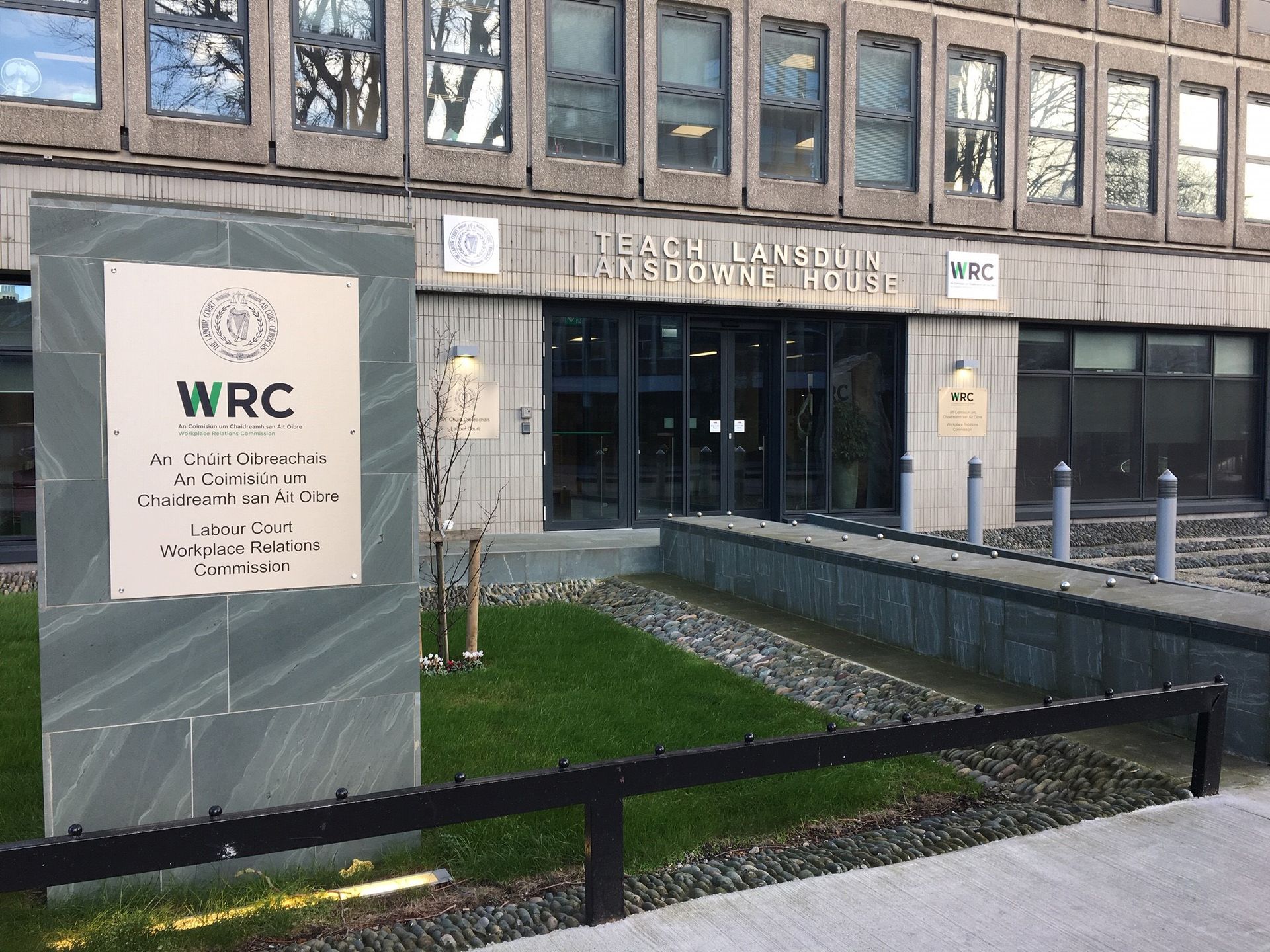
WRC Awards €20,000 in Gender Discrimination Case
WRC Awards €20,000 in Gender Discrimination Case
A recent Workplace Relations Commission decision has reinforced the strength of maternity protections under Irish employment law, with an award of €20,000 compensation made to an employee who was found to have been discriminated against following the disclosure of her pregnancy.
The case serves as an important reminder to employers that pregnancy related protections are robust, and that any unfavourable treatment linked to pregnancy is likely to be viewed as discriminatory under the Employment Equality Acts.
Background to the Case
In this case, the employee notified her employer that she was pregnant. Following this disclosure, her working arrangements changed significantly. Evidence before the WRC showed that she was reassigned to more physically demanding duties than those she had previously carried out. Her working hours were also reduced, and on some occasions she was not rostered for work at all, while colleagues continued to receive shifts.
The employee argued that these changes occurred solely because of her pregnancy and that no legitimate business or safety rationale was provided to justify the altered arrangements.
WRC Findings
The WRC found that the treatment of the employee amounted to discrimination on the ground of gender, as pregnancy is explicitly protected under equality legislation. The adjudicator was particularly critical of the timing of the changes, which followed directly after the pregnancy disclosure, and the absence of any credible explanation from the employer.
The employer did not attend the WRC hearing and did not provide evidence to rebut the employee’s account. As a result, the WRC accepted the employee’s evidence in full and concluded that she had been subjected to unfavourable treatment because of her pregnancy.
Compensation of €20,000 was awarded for the effects of the discrimination.
Why This Decision Matters
This decision reinforces a number of well established but often overlooked principles:
Pregnant employees must not be disadvantaged because of their pregnancy. This includes changes to duties, hours, shifts, or treatment that place them in a worse position than before the disclosure.
Where health and safety considerations arise, employers are expected to carry out appropriate risk assessments and consider suitable adjustments. Simply changing duties or reducing hours without engagement or explanation exposes the employer to significant legal risk.
Failure to engage with a WRC process or to justify decisions can result in adverse findings and substantial compensation awards, even where the employer believes they acted reasonably.
Key Takeaways for Employers
Employers should ensure that managers are trained on how to handle pregnancy disclosures appropriately and lawfully. Any changes to duties or working arrangements must be objectively justified, proportionate, and clearly documented.
Policies and procedures should clearly reflect maternity protections, and employers should engage openly with employees to explore reasonable and safe solutions rather than making unilateral changes.
Conclusion
This WRC decision is a timely reminder that maternity protections are not optional or discretionary. Employers who fail to handle pregnancy disclosures carefully and lawfully risk costly awards and reputational damage.
Proactive HR advice, clear processes, and informed management decisions remain the strongest safeguards against claims of maternity discrimination.
If you would like support reviewing your maternity and equality practices, ensuring managers are equipped to handle pregnancy disclosures correctly don’t hesitate to get in touch:
info@mssthehrpeople.ie Ph: +353 1 887 0690 www.mssthehrpeople.ie