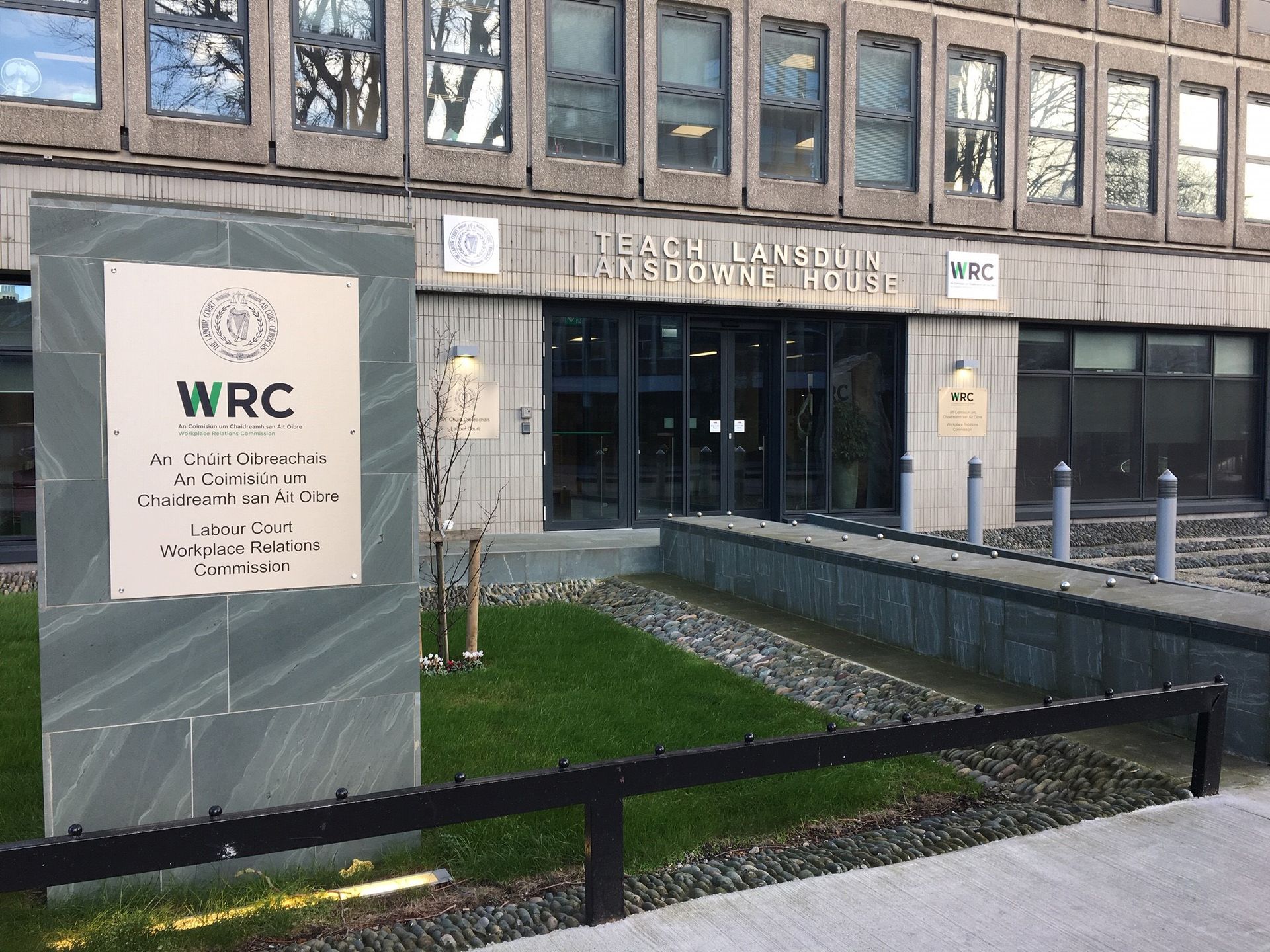
WRC Revises Code of Practice on Access to Part-Time Work: Key Updates for Employers.
The Workplace Relations Commission (WRC) has updated its Code of Practice on Access to Part-Time Work, providing clearer guidance on best practices for employers and employees in today’s flexible working environment.
While the revised Code is similar to the previous version, it adopts a more positive tone towards part-time work, presenting it as a modern and flexible way of working rather than an exception. In particular, the Code places greater emphasis on work–life balance considerations, including from the perspective of parents and carers.
Although the Code does not create a legal right to part-time work, it sets clear expectations for employers in terms of how requests should be handled and reinforces the importance of fair and consistent treatment of employees.
Key Updates and Takeaways
Part-Time Work as a Positive Option
The updated code recognises part-time work as a valuable way to enhance labour market participation and provide flexibility. Employers are encouraged to view part-time arrangements as a strategic and beneficial option, rather than a limitation.
Equal Treatment
A central principle of the code is that part-time employees must not be treated less favourably than full-time employees. This means that pay, benefits, access to training, and career progression should be proportionate and fair, ensuring that part-time staff are not at a disadvantage.
Structured Procedures for Requests
A key development in the revised Code is the increased emphasis on employers adopting a clear, step-by-step framework when dealing with requests to move between full-time and part-time work. Employers are encouraged to:
- Review and update policies to reflect the code’s guidance.
- Respond to requests following a clear, structured procedure.
- Provide meaningful reasons if a request cannot be accommodated.
Rather than informal consultation alone, requests should now be considered through a structured and documented process.
Flexible Roles and Recruitment
The revised Code encourages employers to consider whether part-time working can be accommodated at the point of job design and recruitment. This may include job-sharing arrangements, flexible schedules, or adjusting workloads to maintain role effectiveness.
Responsibilities of Employers and Employees
Under the revised code, employers are expected to establish clear policies, actively monitor roles for flexibility, provide part-time employees with equal access to training, and ensure that no employee is penalised for requesting part-time work.
It is equally important to communicate with all staff about part-time opportunities, including how to request them and the criteria used to assess requests. Clear communication helps maintain transparency and ensures a fair, consistent approach to flexible working across the organisation.
Employees, in turn, are responsible for complying with agreed arrangements, understanding that not all roles may be suitable for part-time work, and performing their duties as required. Both employers and employees play an important role in making part-time arrangements fair, transparent, and effective.
Legal Relevance
Although the code is not legally binding, it is admissible in evidence. Adjudicators may rely on it when assessing whether an employer’s approach to part-time work requests is reasonable, fair and aligned with best practice.
What Does This Mean for Your Business?
The revised Code encourages employers to take a more structured and considered approach to part-time working, while also protecting the operational needs of the business. For SMEs in particular, clear procedures and consistent decision-making are essential to managing requests effectively and avoiding unintended legal or operational risks.
Having a documented process helps employers demonstrate fair consideration of requests, apply objective business grounds where flexibility is not feasible, and maintain continuity of service. Done properly, part-time arrangements can support retention and engagement without undermining productivity or resourcing.
Part-time work should not be viewed as an automatic entitlement or an informal arrangement. Employers are encouraged to review their policies, communicate expectations clearly, and ensure that any flexibility granted is sustainable, consistent, and defensible if challenged.
If you need any assistance reviewing your company policies in line with this revised Code of Practice, please do not hesitate to contact MSS The HR People.
PH: 018870690 Email: info@mssthehrpeople.ie